
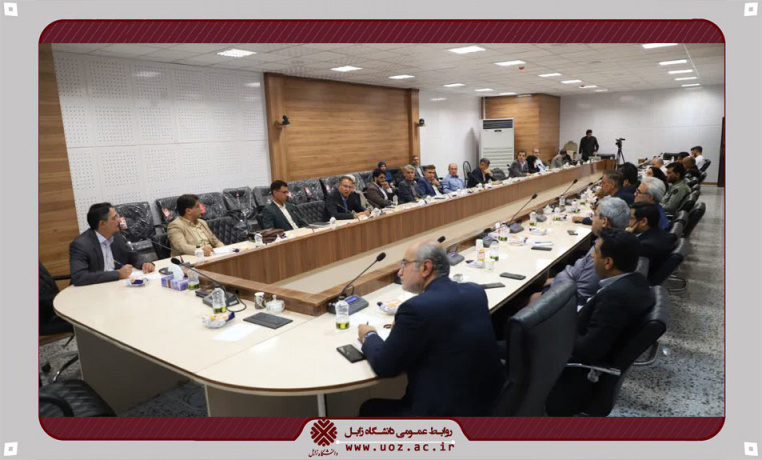
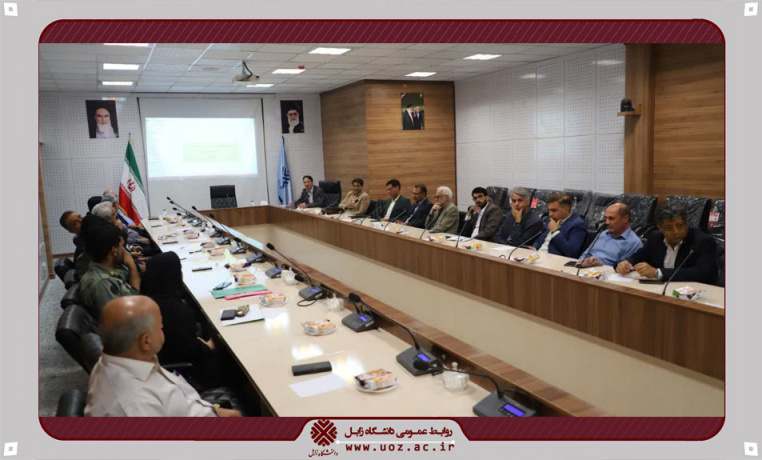
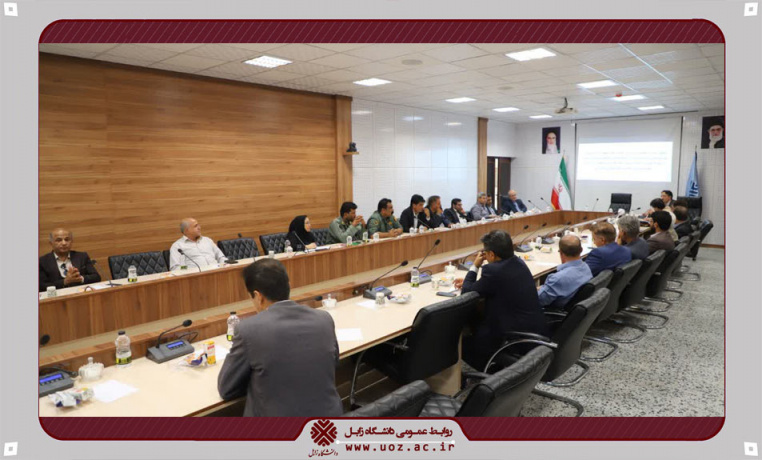
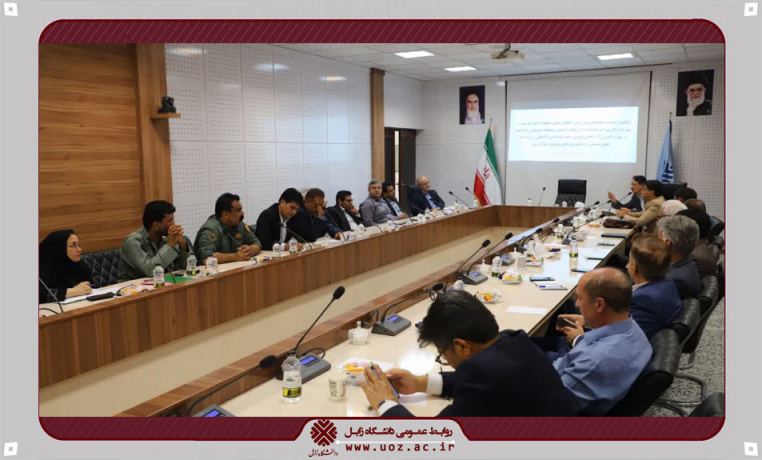
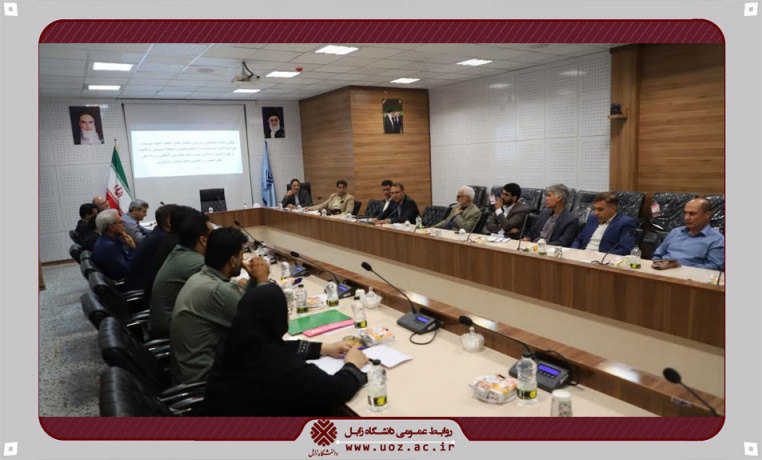
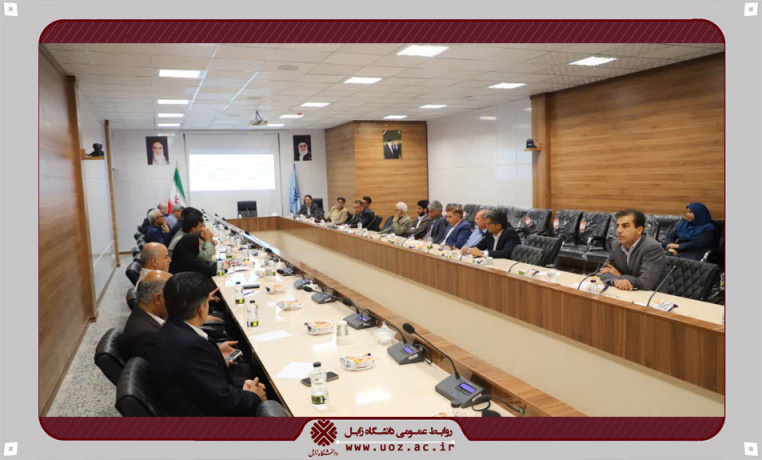
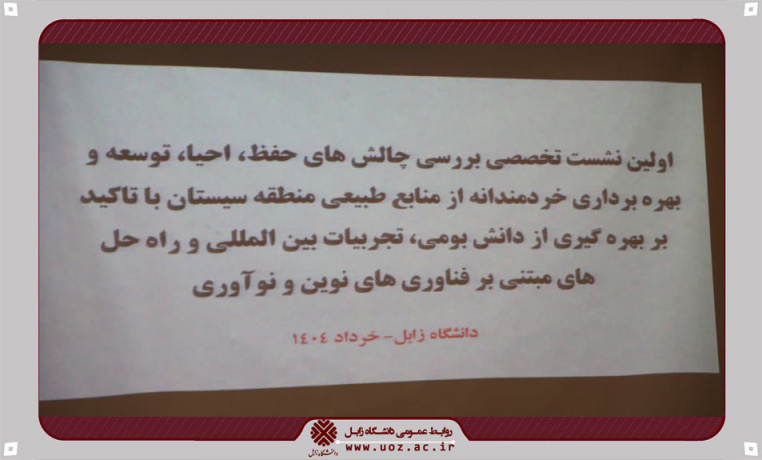
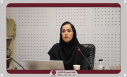
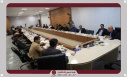
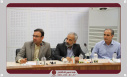
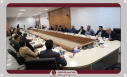
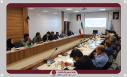
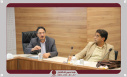
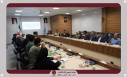
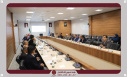
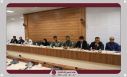
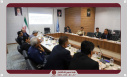
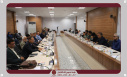
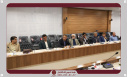
The first specialized meeting to examine the challenges of preserving, restoring, developing, and wisely utilizing natural resources in the Sistan region was held at the University of Zabol.
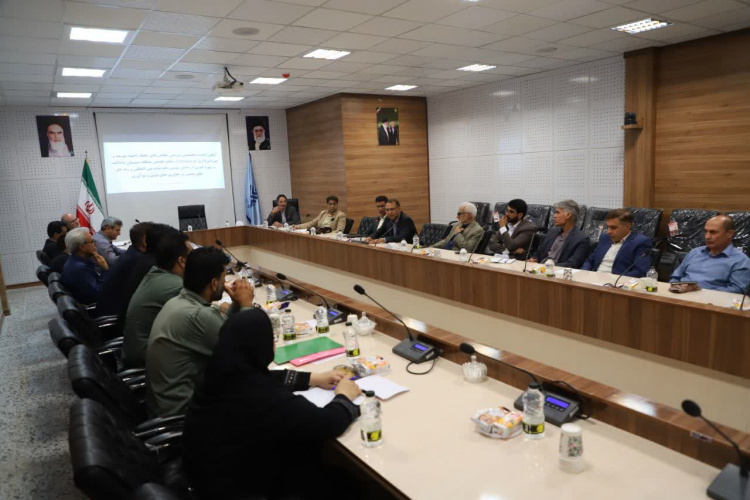
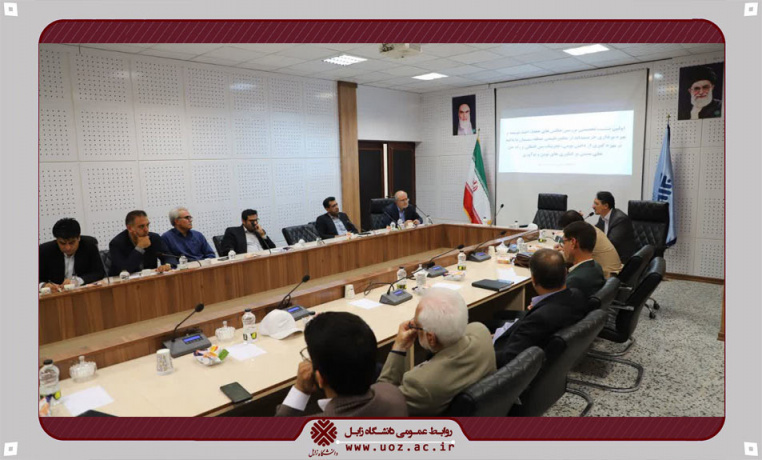
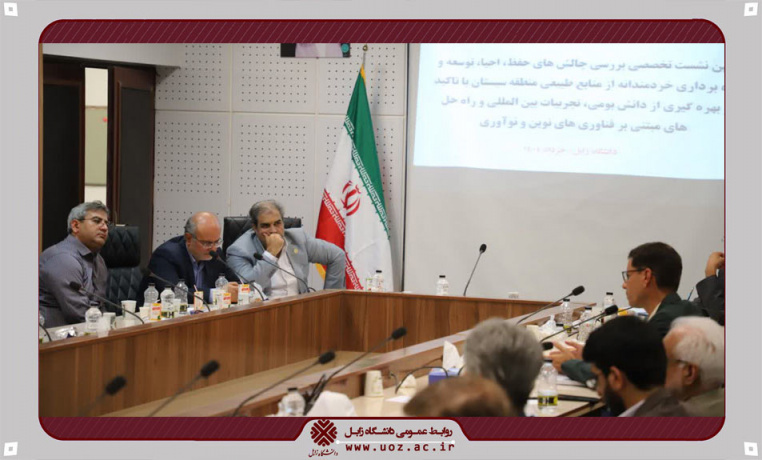
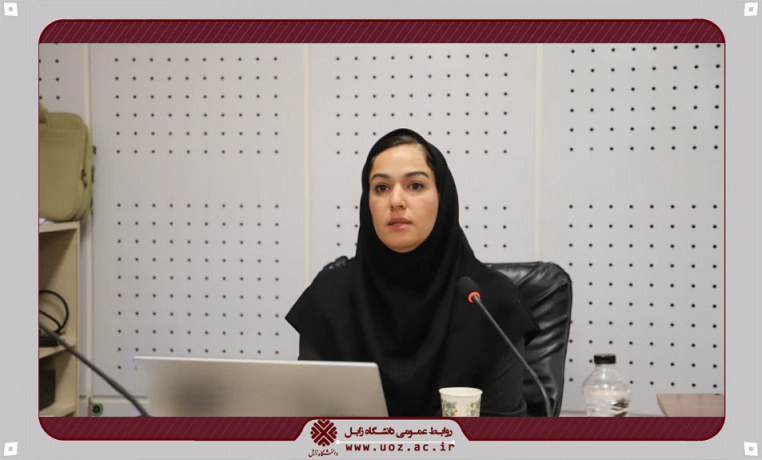
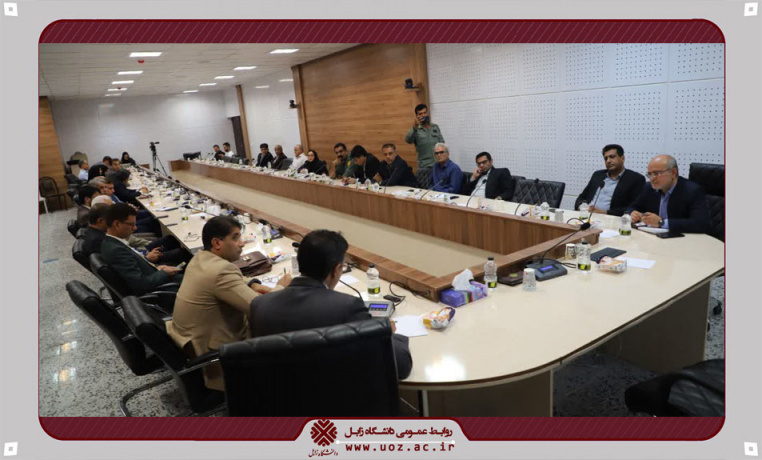
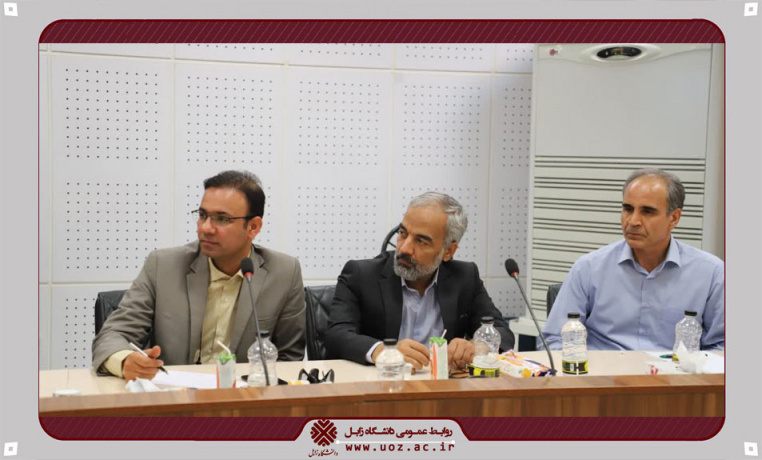
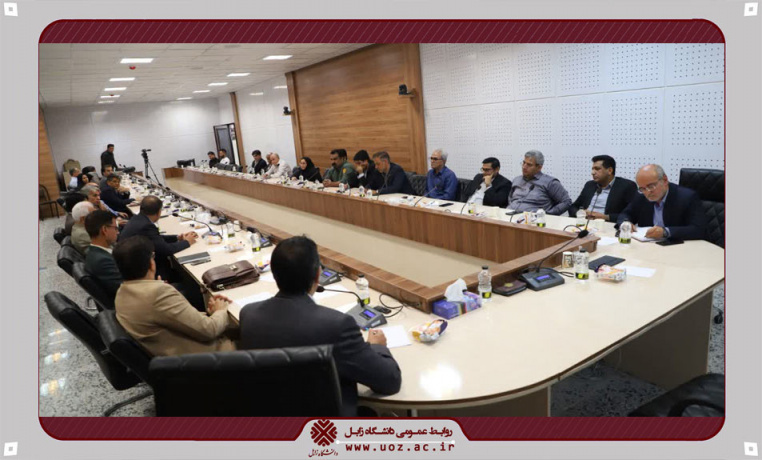
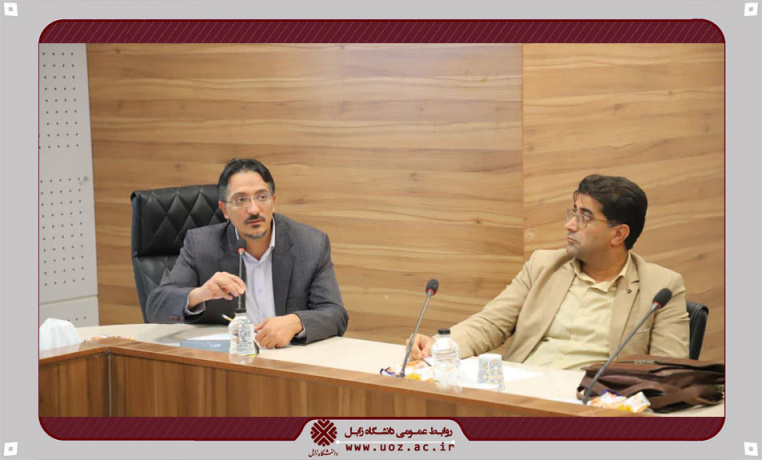
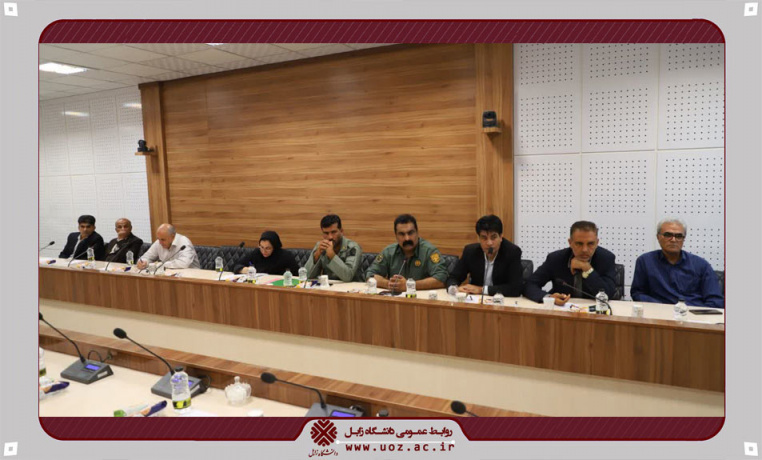
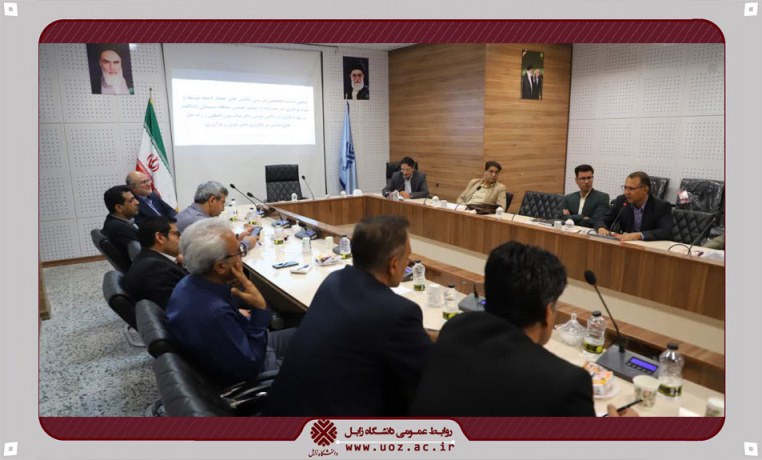
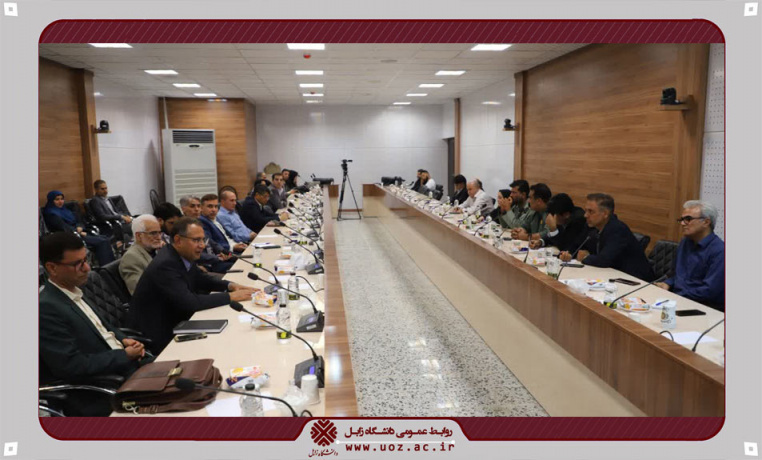
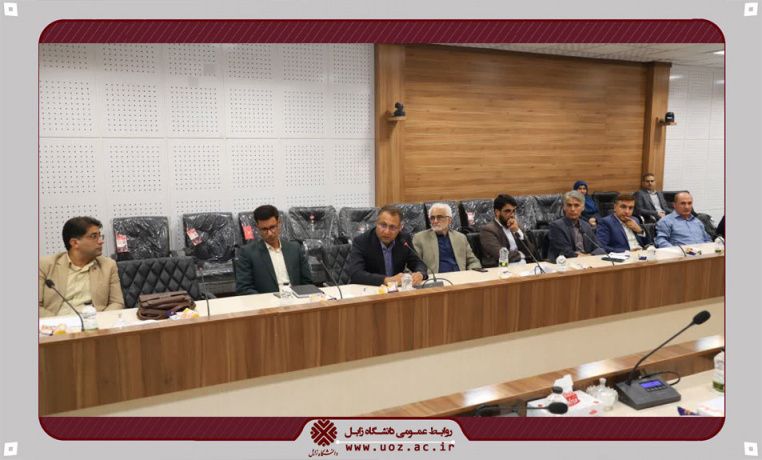
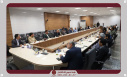
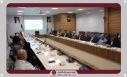
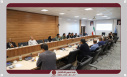
According to the university's public relations department, in line with the university's role in solving environmental problems, "the first specialized meeting to examine the challenges of preserving, restoring, developing, and wisely utilizing natural resources in the Sistan region with an emphasis on utilizing indigenous knowledge, international experiences, and solutions based on new technologies and innovations" was held on Sunday, March 4, 1404, at the conference hall of the International Conferences of the University of Zabol, with the presence of provincial and regional executive officials and members of the university's faculty, research institutes, and research centers in the region. At the beginning of the meeting, Dr. Ahmad Ali Kaykha, the secretary of the meeting, outlined the objectives of the meeting, while giving a general overview of Sistan's troubles and issues in the field of natural resources and referring to the process of forming the meeting. Subsequently, Dr. Sharifeh Sargolzaei and Dr. Hadi Galoui presented the results of studies on the current state of the natural environment of the Sistan region and proposed strategies and macro-management, planning, and decision-making strategies in this area. Dr. Majid Ajorloo, Associate Professor of the Rangeland and Watershed Management Department, referred to issues related to rangelands and their stakeholders and presented scientific and international solutions to resolve these problems. Dr. Vahid Rahdari also examined the dimensions of the dust problem in the region and explained its conditions, and presented implementation solutions.
Dr. Mohammad Reza Naroei, Head of the Sistan Agricultural and Natural Resources Research and Education Center, while emphasizing the objectives of the meeting, called for reaching common results and agreement between the scientific and research organizations in the region and the responsible and implementing organizations. Dr. Mojtaba Ganjali, a member of the faculty of the Sistan Agricultural and Natural Resources Research and Education Center, also referred to studies presented by the TAT (Agricultural Research, Education and Extension) organization in 1403, which examined Sistan's issues and presented solutions and can be considered as a reference.
Dr. Babak Nosrati, the head of the Zabol Research Institute, also emphasized the use of the capacities of the regional scientific and research centers to solve the challenges of the natural resources sector of Sistan, and pointed to the combined use of local knowledge and international experiences in this regard. He also emphasized the use of research budgets of the responsible organizations to solve some of the problems. Referring to the measures taken at the research institute as economic models to empower stakeholders in the natural resources sector in order to reduce the destructive human impacts of this sector, he emphasized the full readiness of this research institute to play a role in this issue. The Director General of the Environmental Protection Department of Sistan and Baluchestan Province also thanked the university for holding the meeting and pointed out the main problems in this sector, such as dust and drought (with an emphasis on the international Hamoun wetlands). He also explained the complexity of issues in the executive sector from the perspective of conflict of interest, social and cultural disasters. In another part of his speech, Dr. Mohammad Alimoradi called for the presentation of an executive annex to ensure the correct transformation of theoretical results into practice in relevant research projects by researchers and the scientific community. He also requested the regional scientific community to prepare, compile and present various documents (articles, plans, reports, etc.) regarding the economic, social, cultural and environmental impacts of the drying up of the international wetlands of Hamun in the form of bilingual texts (Persian and English) to enlighten national and international thoughts on the importance of this issue. He emphasized the receipt of environmental rights to the wetland and the possibility of reviewing the use of urban wastewater to preserve and restore the green belt of the region. Dr. Hossein Sargazi, Technical Deputy of the Provincial Directorate of Natural Resources and Watershed Management, also thanked for holding the meeting and emphasized the provision of wise solutions in the field of natural resources in accordance with the realities of the region. He called for clarification of the position of natural resources and their related disasters (such as dust storms, desertification, overgrazing, use of subsurface waters, etc.) in the management of water resources in the region and decision-makers at higher levels of management in this regard. Referring to the very small amount of the desertification budget last year for the Sistan region, he considered its non-implementation as a sign of incorrect prioritization of natural resources issues at higher levels. He also called for the use of research results in this area to raise social awareness among the people of the region.
He announced the readiness of the General Directorate of Natural Resources and Watershed Management of the province to use the capacity of local researchers and researchers to supervise implementation plans, and requested detailed implementation proposals from scientific and research centers to resolve regional issues and to hold and continue holding meetings with all stakeholders in this area.
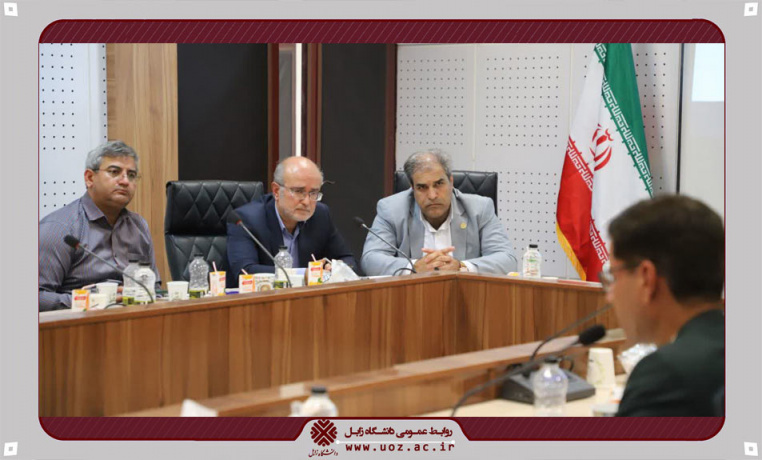
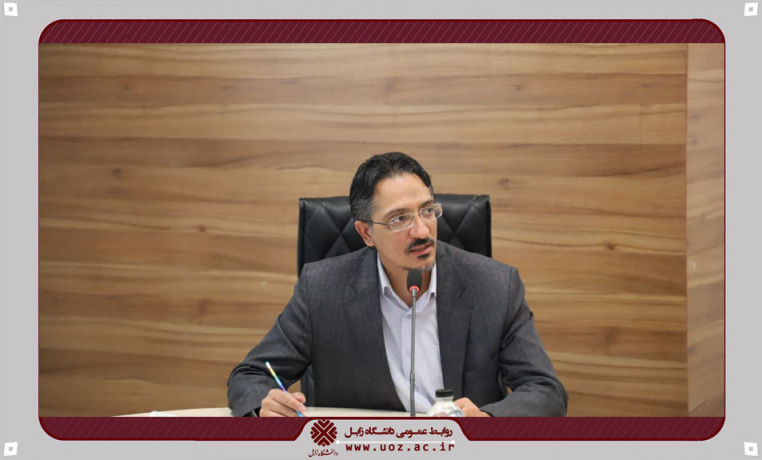
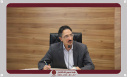
Other participants also expressed their views in this meeting. Among them, Dr. Yousef Elahi, a faculty member of Zabol University, pointed to the use of international capacity such as the World Food Organization to improve the livelihoods of beneficiaries. Engineer Mohammad Taheri, Head of the Department of Desertification, Engineering and Studies of the General Directorate of Natural Resources and Watershed Management of the province, while stating various issues in the field of natural resources of the Sistan region and listing the numerous problems in this area, considered the lack of sufficient attention of public opinion to the effects and results of these problems in the long term to be worrying. He also pointed out the lack of alignment and lack of change in the outlook and behavior of the beneficiaries and stakeholders of the region with regard to changing environmental and climatic conditions, and considered the effective accidental event to be a change in the understanding of the community and decision-makers and managers of various regional and provincial levels. Dr. Hadi Galovi, a member of the university faculty, also pointed out the existence of studies in the field of finding the roots of Sistan's troubles in the organizational dimension, and one of them He considered the lack of integrated management and inter-organizational cohesion in the region to be one of the main roots of underdevelopment and ineffectiveness of various projects. The president of Zabol University, while thanking all participants in this meeting, considered the university's goal in holding it to move towards solving regional issues and playing a scientific and specialized role in the convergence of scientific and research centers with executive organizations for effective and efficient synergy. He emphasized the documentation of the results of these meetings and their presentation, and proposed the establishment of a "permanent secretariat for inter-organizational cooperation for the sustainable development of Sistan" in the field of the university's research and technology deputy. This proposal was agreed upon by all members. At the suggestion of the secretary of the meeting, it was decided that one representative from all centers and organizations should be present in the secretariat. He also stated that integrated management is a law approved by the Islamic Consultative Assembly.
Your Comment :